How often do you get in your car and drive off without checking it first? Many of us take vehicle health for granted, and only notice problems when they prevent us from using our vehicles. Undertaking a few quick vehicle checks each day could help to identify small issues before they become big problems.
In the healthcare industry, a problematic vehicle is not only potentially dangerous, but it can also mean a client loses out on a much-needed visit. To ensure continuity of service, we expect all healthcare assistants to undertake vehicle checks on a regular basis.
Your tyres can be damaged through general driving and wear and tear, but also potholes (which are causing no end of problems at the moment!) and even wildlife.
Ensure you keep a tyre pump in your vehicle at all times. This can help you to check the pressure of each tyre, topping up as required, and also highlight a potentially damaged tyre. Replacing problematic tyres before they run flat can also save a significant amount of money, as driving on poor tyres can lead to wheel or suspension damage.
It is imperative that care staff check the lights on their vehicle, especially when conducting client visits after sunset or before sunrise.
Should you notice that any lights aren’t working, these must be rectified immediately. We ask our staff to let us know so we can reschedule visits and allow the individual the time to get a replacement bulb.
Some of these checks can be done simply by walking round the car. Others may require you using a reflective surface (such as when braking) to ensure all is functioning correctly.
Conducting an annual MOT is a legal requirement, and we require proof of this from all staff regardless of their role within the business.
Any advisories should be repaired as soon as possible to improve or maintain the vehicle condition. Absolute staff are not permitted to use a vehicle for business purposes that does not have valid tax, MOT, or business insurance.
Faulty brakes aren’t just expensive, they can lead to accidents and even loss of life. Therefore, these should be checked before every journey.
Listen out for any grinding or squealing, as this may signify worn brake pads.
Test the brake pedal. If it feels spongy or slack this may indicate issues with the brake lines.
We ask our staff to make contact if they have any concerns with their brakes. Under no circumstances should a vehicle be driven. While we aim to give the best care possible to clients, we refuse to compromise on the safety of our staff, as well as others they may come into contact with when travelling or conducting visits.
When considering vehicle checks, may people may concentrate on exterior or technical aspects. However, the interior of a vehicle also needs to be in good condition.
Visibility through all windows, and the use of mirrors, must be clear before setting off. In particular, this may mean you need to plan ahead to de-ice or defog your vehicle.
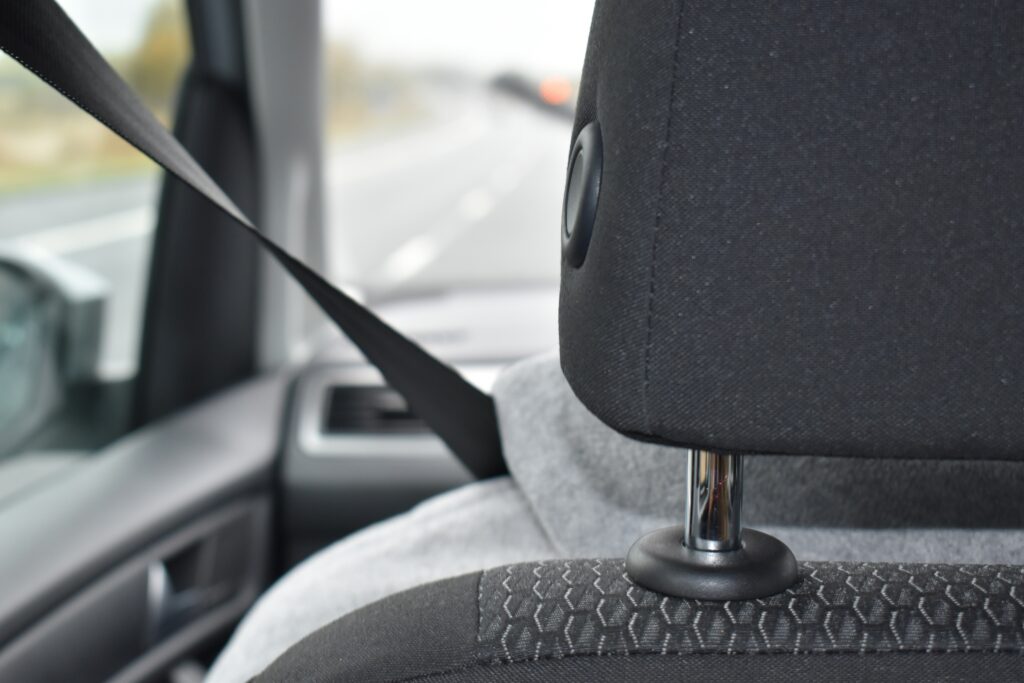
Check the condition of seatbelts before driving, as worn, cut, or frayed seatbelts may not be able to adequately protect you in the event of a collision or emergency braking.
For comfort and wellbeing, heating and cooling systems should also be in good working condition, especially when dealing with extreme weather conditions. The use of in-car media can also be beneficial, especially for hands-free calling regarding delays or incidents.
The majority of staff at Absolute Healthcase Providers Ltd use a vehicle for business purposes. Therefore, vehicle checks are imperative for us to be able to provide safe, reliable care.
Talk to us today to book your care assessment, or to apply for one of our roles and make a difference within your local community.
Verity joined Absolute in February, 2025 as our HR & Recruitment Administrator.
With a background in HR, customer service, and marketing, Verity has taken the lead on crafting digital content.
Outside of work, Verity enjoys woodland walks, cooking, and video games.