

Catching a cold always seems to happen at the most inconvenient moment — right before a big meeting, the school run, or that weekend away you’ve been looking forward to for months. While there’s no instant cure (sadly!), there are plenty of simple, comforting and practical things you can do to recover from a cold quickly and make the whole experience less miserable. Pop the kettle on, grab a blanket, and let’s talk through some helpful tips.
When you’re bunged up, achey and feeling half-human, rest isn’t just a luxury — it’s essential. Your immune system does its best repair work when you’re resting, so slowing down genuinely gives your body a boost. Whether that means going to bed early, taking an afternoon nap or simply giving yourself permission to potter gently instead of powering through — it all helps.
Hydration is the other big one. When you’ve got a cold, you lose more fluid than you realise, especially if you’re sweating with a fever or blowing your nose constantly. Keeping topped up with water, warm squash, herbal teas or even soup makes mucus thinner and easier to clear. Think of hydration as housekeeping for your sinuses — not glamorous, but it keeps things running smoothly.
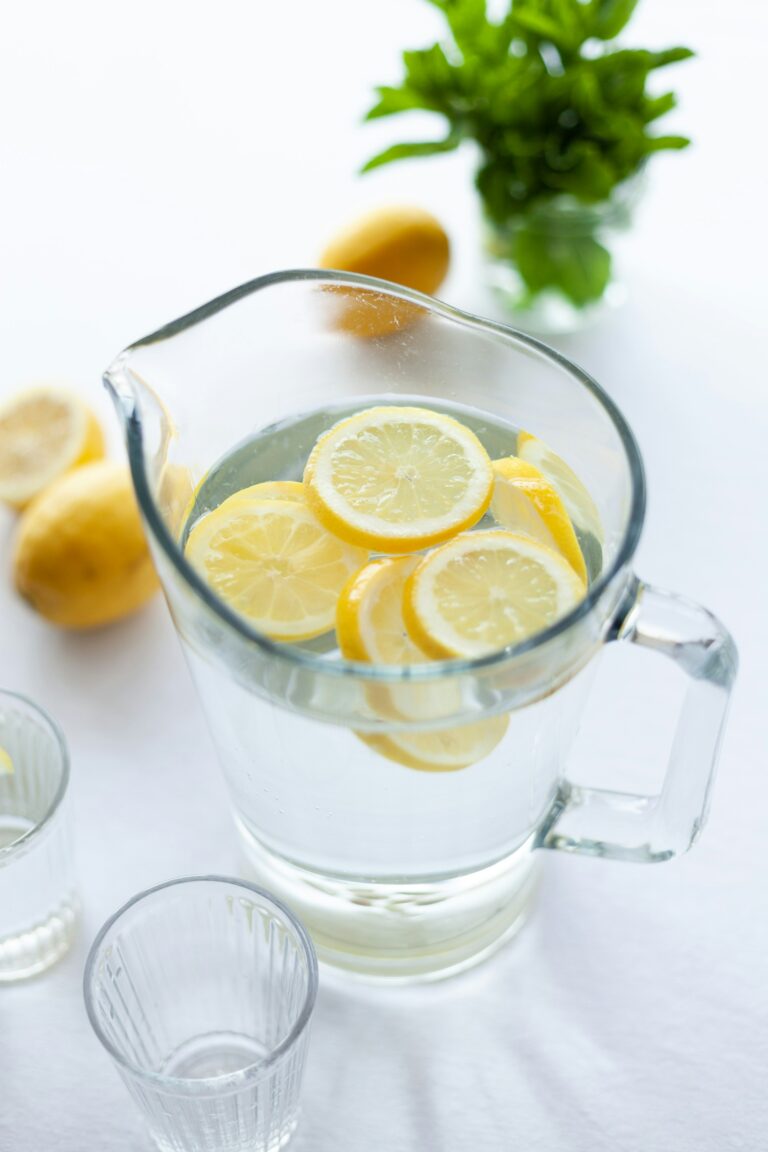

While rest and fluids do the heavy lifting, there are plenty of comforting home remedies that make symptoms easier to live with. For example, the classic hot lemon and honey drink is popular for a reason — it soothes a sore throat beautifully, and the warmth can help loosen congestion. Steam inhalation can give temporary relief too: pop a towel over your head and breathe in steam from a bowl of hot water (carefully!), and you’ll often feel your nose open up a bit.
Salt-water gargles are brilliant for scratchy throats — simple, cheap and surprisingly effective. A warm bath or shower can help with that “my whole body feels stiff” feeling, and even just wrapping yourself in a cosy blanket can help you relax enough to let your body heal.
Over-the-counter medicines can make you feel much more human while your body deals with the virus. Painkillers such as paracetamol or ibuprofen can help with aches, fever and that heavy-headed feeling. Decongestant sprays can work wonders for a blocked nose, though it’s best not to use them for more than a few days in a row.
Cough mixtures, throat lozenges and vapour rubs can all help depending on your symptoms — but it’s always wise to check the label, especially if you’re taking other medication. And pharmacists are brilliant at talking through options if you’re unsure what’s best.


Colds are incredibly easy to pass around — one sneeze can send thousands of tiny droplets through the air. Lovely. So while you’re recovering, it’s kind to take a few simple steps to keep others well.
Washing your hands regularly, using tissues and throwing them away immediately, and avoiding touching your face all help break the chain of infection. Giving shared surfaces (door handles, taps, your phone!) a quick wipe-down also makes a big difference. And if you can, avoid close contact with others for a few days — especially anyone more vulnerable.
When you’re ill, the things you should “normally do” suddenly matter even more — especially eating well, getting sleep and staying smoke-free. Bright, colourful foods like peppers, berries, broccoli and citrus fruits help top up vitamins that support immunity. Comfort food has its place when you’re poorly, but try to sneak in some goodness where you can — even a bowl of veg-packed soup counts.
Sleep is another huge factor. It’s easy to underestimate how much more tired you get when your immune system is in battle mode. If your body is telling you to stop, listen. Even a 20-minute nap can give you a much-needed boost.
A bit of light movement can help too — think gentle stretching rather than a gym workout. Moving around keeps things circulating and can lift your mood, which is half the battle when you’re feeling run down.


Sometimes, when you’re feeling grotty and nothing seems to help, it’s the more unusual or traditional remedies that offer the most comfort. One favourite across the world — and increasingly popular here in the UK — is Tom Yum Soup. This hot, fragrant Thai broth is packed with lemongrass, lime, ginger, garlic and chilli, all of which have been traditionally used to help ease cold symptoms. The steam alone can help unblock a stuffy nose, and the spices give you that lovely “warm from the inside” feeling that’s so soothing when you’re under the weather.
Many people also swear by ginger tea, turmeric lattes, garlic-infused broths, or even elderberry syrup. While scientific evidence varies and these remedies aren’t cures, they can make you feel nurtured, warm and a bit more human — and sometimes that’s exactly what you need when you’ve been sneezing all day.
Most colds vanish on their own within a week or two, but sometimes things don’t go to plan. If your symptoms last more than three weeks, if you’re getting worse instead of better, or if you develop chest pain, breathing difficulties or a very high fever, it’s time to get professional advice. The same goes if you have a long-term condition or a weakened immune system.
If in doubt, NHS 111 is always there to help you figure out what to do next.

If you’re recovering at home and think you might benefit from some additional support, Absolute Healthcare can help. As a locally trusted care provider in Hampshire, Absolute Healthcare offers compassionate, person-centred care plans tailored to your needs.
Whether it’s helping you rest, keeping living areas clean (especially during a contagious illness), or assisting with errands while you recuperate — our trained Healthcare Assistants are there to support your recovery.

Verity joined Absolute in February, 2025 as our HR & Recruitment Administrator.
With a background in HR, customer service, and marketing, Verity has taken the lead on crafting digital content.
Outside of work, Verity enjoys woodland walks, cooking, and video games.