Seasonal Affective Disorder in home care

The summer days are behind us once again. While many may be looking forward to festive seasons, others may be concerned about how the shorter days and encroaching darkness affect their wellbeing. Seasonal Affective Disorder impacts many each year, so it can be useful to know how to spot the signs and reduce the symptoms.

Table of Contents

What is Seasonal Affective Disorder?

Seasonal Affective Disorder, also known as SAD, is a form of depression most often occurring during the winter months in the UK. 

It is believed that this is caused due to less daylight, with the sun rising later and setting earlier.

Many people feel less enthusiastic waking and going to work when it’s dark and then, at the end of the day, returning home in the dark. A lack of vitamin D can also cause an individual to suffer from low mood.

Some signs of Seasonal Affective Disorder can include:

  • Feeling more tired
  • Disruption to sleep patterns
  • Less motivation or enthusiasm
  • Low mood
  • Feeling tearful
  • Feeling more frustrated or irritable
  • Appetite changes
  • Difficulties with focus
  • Becoming less sociable
  • Lack of interest in hobbies

The impact on clients

Many healthcare clients live alone, or in remote locations. This means that they may spend a lot of their time at home, and can feel even more vulnerable when it is dark out. This can translate into more calls to family, friends, and even caregivers as they seek reassurance.

Clients may feel sad, or have less inclination to go out during visits. They may express concerns about being home alone, worries about slips, trips, and falls, and feeling generally less positive.

For junior clients, they may express disappointment about the loss of sunny, bright weather, especially if they enjoy spending much of the day outdoors.

The impact on staff

Healthcare staff may also be impacted by Seasonal Affective Disorder. Many client visits occur early in the morning, particularly when helping junior clients prepare for school or enabling adult clients with general personal care. Due to this, staff may have to get up and commence work while it’s still dark out.

Likewise, evening visits for after school support, dinner, and preparation for bedtime may result in staff travelling home after dark.

This can lead to staff feeling more tired, or lacking in motivation or resilience.

How can employees help?

Ensuring that client care can still be given is paramount. We can help them to overcome Seasonal Affective Disorder by:

  • Supporting clients with the creation and consumption of nutritious meals
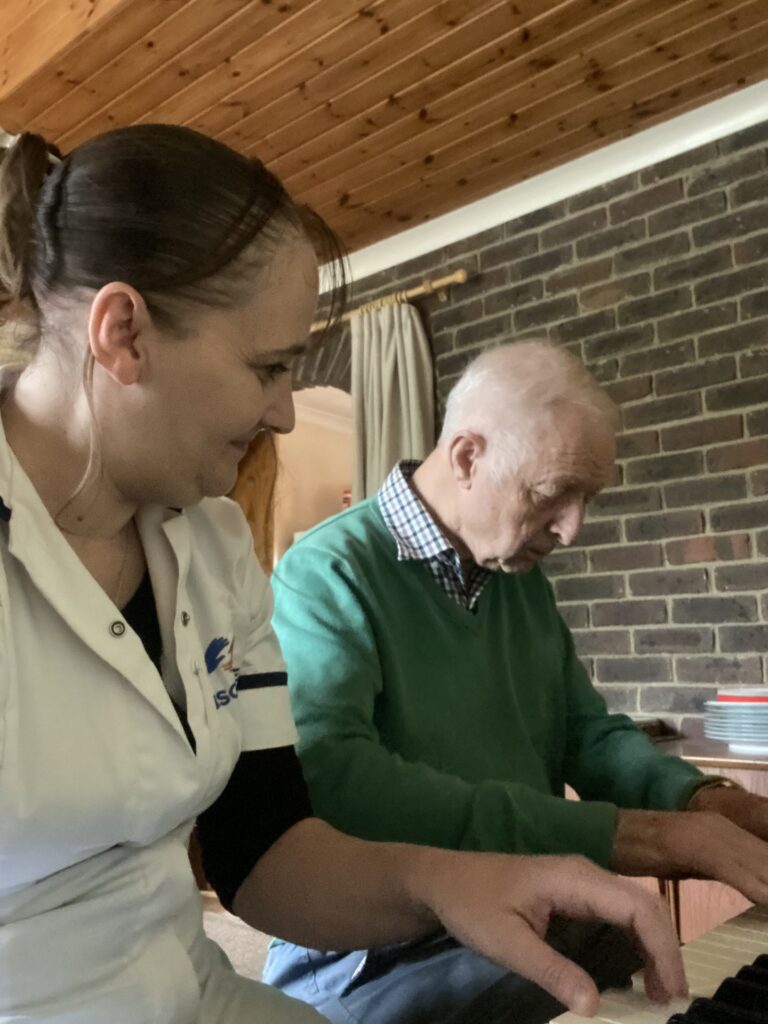
  • Motivating them to engage in activities they enjoy. (Pictured: Hayley and a client playing piano together during a visit)
  • Supporting clients with making and managing medical appointments
  • Notifying clients, next of kin, or relevant authorities if there are concerns about a client’s wellbeing
  • Allowing clients to discuss their needs, feelings, emotions, or any changes
  • Discussing Seasonal Affective Disorder with clients, or their next of kin, where appropriate to inform them about how their feelings may change
  • Documenting client visits thoroughly to identify any changes or trends
  • Encouraging clients to spend time outside during daylight hours, and supporting them to do so when visit times allow

How can employers protect their team from Seasonal Affective Disorder?

Employers have a duty of care toward their staff. While this encompasses their working hours, a responsible employer will also take a vested interest in their employees’ wellbeing at all times. 

This can be achieved through:

  • Training, including meetings, online modules, and newsletter content, to highlight the symptoms and impact of Seasonal Affective Disorder as well as to discuss the importance of diet, exercise, and positive habits
  • Regularly discuss working hours with staff to ensure adequate rest and time off
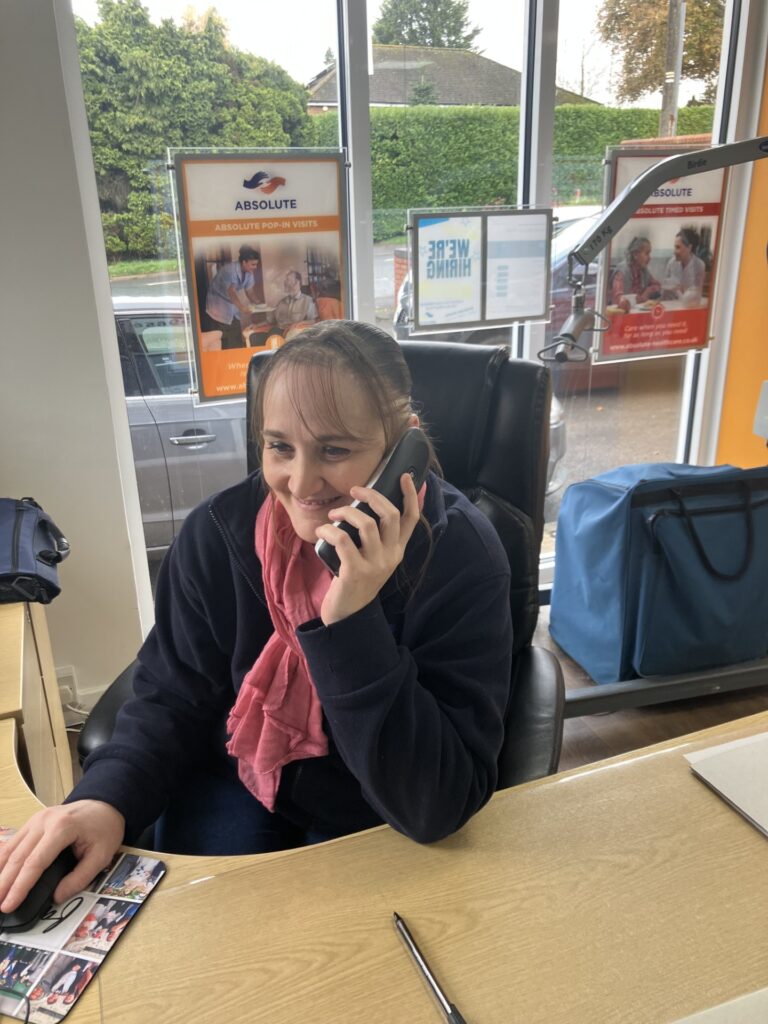
  • Open communication between managers and care staff to discuss wellbeing and needs (Pictured: Hayley having a lovely chat with an employee)
  • Looking at trends for absence and illness, in case these are related
  • Taking a compassionate approach to employee needs

Author

Verity Armstrong

Verity joined Absolute in February, 2025, as our HR & Recruitment Administrator.

With a background in HR, customer service, and marketing, she has taken the lead on crafting digital content.

Outside of work, Verity enjoys woodland walks, cooking, and video games.

We use essential cookies to ensure that we give you the best experience on our website.